Chocolatte: A Display Font with a Rich, Modern Edge
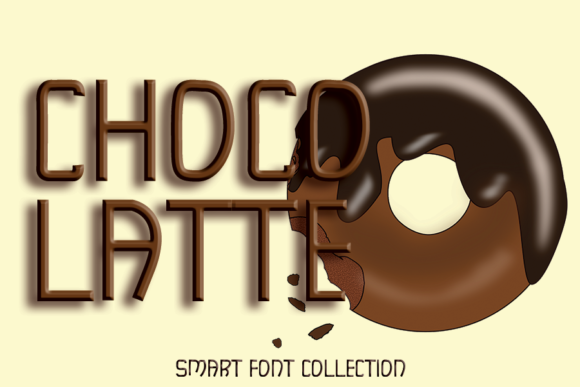
Finding a typeface that genuinely captures attention without sacrificing clarity is a rare thing. Too often, display fonts lean into extreme novelty, becoming illegible or feeling gimmicky after a single use. The Chocolatte font, however, strikes a fascinating balance. It’s a cool, interesting and modern display font, expertly designed to make your creation look out of this world. This font has the potential to take your creative ideas far further, but its real value lies in its specific character—a blend of contemporary flair and subtle sophistication that feels both fresh and grounded. It’s the kind of typeface that doesn’t just decorate a layout; it injects personality into it.
Understanding the Visual Language of Chocolatte
At its core, Chocolatte is a premium font designed for impact. Its letterforms feature a distinctive blend of geometric precision and soft, humanistic curves. You’ll notice carefully crafted terminals, balanced stroke weights, and a rhythm that feels dynamic yet stable. This isn’t a chaotic, hand-scrawled script font; nor is it a stiff, corporate sans serif. Instead, it occupies a sweet spot—modern typography that feels confident and approachable. The visual texture is rich, evoking a sense of depth and quality, much like its namesake. This makes it an exceptional creative font for projects where you need to convey innovation, warmth, or a touch of luxury without being overtly traditional.
Where This Typeface Truly Shines: Practical Applications
The versatility of a font like Chocolatte is where it proves its worth. It’s not a one-trick pony. Consider its application across the spectrum of design and branding work:
- Logo Design & Brand Identity: A logo sets the first impression. Using Chocolatte for a wordmark or as a complementary display font in a brand suite can establish a distinct, modern identity. It’s perfect for lifestyle brands, boutique agencies, artisanal product lines, or tech startups wanting a softer, more human edge. Think of a coffee roaster, a design studio, or a specialty bakery—Chocolatte gives their name a memorable, tactile quality.
- Packaging Design: On a shelf or in an online store, packaging needs to tell a story quickly. Chocolatte’s unique presence can make product names pop on labels, boxes, and wrappers. It pairs beautifully with clean sans serif fonts for body copy, creating a hierarchy that guides the customer’s eye from the bold brand name to the essential details.
- Digital & Social Media Graphics: In the fast-scrolling world of social media, stopping power is everything. Using Chocolatte for headlines in Instagram stories, Pinterest pins, or YouTube thumbnails can drastically increase engagement. Its modern aesthetic feels native to digital platforms, helping content creators and marketers stand out in a crowded feed. It’s equally effective for website hero sections and blog post titles, where you want to make a strong initial statement.
- Print & Editorial Layouts: Don’t limit this typeface to the screen. For magazine covers, poster designs, event invitations, or book covers, Chocolatte offers a level of sophistication that elevates print materials. Its strong personality can anchor an entire editorial layout, especially in fashion, culture, or design-focused publications.
- Merchandise & Marketing Assets: From tote bags and t-shirts to email headers and digital ads, having a versatile font in your toolkit is invaluable. Chocolatte works well for merchandise because of its clear, bold form, ensuring designs are legible even when scaled. For marketing, it helps create a consistent visual thread across campaigns, reinforcing brand recognition with every asset.
Integrating Chocolatte into Your Design Workflow
Adopting a new font is more than just a download; it’s about strategic integration. Here’s how to make the most of a typeface like Chocolatte in your projects:
Start with the Project’s Personality. Before you even open your design software, ask: what is the core emotion or message? Is it playful, authoritative, elegant, or disruptive? Chocolatte’s personality is modern and engaging with a touch of warmth. If your project aligns with that tone, you’re on the right track. If you need something more austere or traditional, this might not be the primary choice.
Master the Art of Font Pairing. A display font rarely works alone. The key is to pair Chocolatte with a simpler, highly readable typeface for longer text. A clean sans serif font (like a geometric or humanist sans) often makes a perfect partner, providing contrast without conflict. For a more dynamic feel, a simple serif font could work, but ensure the weights and proportions don’t clash. The goal is visual harmony, where Chocolatte captures attention and its companion font delivers the detailed information comfortably.
Test for Readability in Context. Always test your chosen font in the specific environment it will live in. View Chocolatte at the exact size it will appear on a mobile screen, a printed brochure, or a distant poster. Check the kerning (space between letters) in your specific word combinations. Does it remain legible? Does its personality hold up at different scales? A font that looks stunning in a headline might become muddy in a subheading if not used thoughtfully.
Explore the Included Font Styles. A quality commercial font often comes with more than just the base weight. Check what’s included in your license. Chocolatte may offer alternate characters, ligatures, or multiple weights (like Regular, Bold, or even a stylistic set). These extras are gold for designers, allowing you to fine-tune the typography to fit exact needs, add flair to specific letters, or create more nuanced hierarchies within a single font family.
Clarify Commercial Licensing. This is a non-negotiable step for any professional use. Before incorporating Chocolatte into client work, merchandise for sale, or wide-scale marketing, ensure you have the correct commercial license. Understand the terms—does it cover digital products, print runs, and server use? Reputable font foundries are clear about this. Investing in the proper license protects you legally and supports the artists who create these valuable design assets.
Building Recognition with Thoughtful Typography
Ultimately, typography is a silent ambassador for your brand or project. A consistent and intentional use of a typeface like Chocolatte across all touchpoints—from your website to your business cards—builds subconscious recognition. It tells your audience that there’s a cohesive vision behind the work. It moves your creative output from looking “assembled” to feeling “designed.” In a marketplace saturated with generic templates and overused fonts, making a deliberate, strategic choice like Chocolatte can be the detail that sets your work apart, communicates your unique value, and connects more deeply with your intended audience. It’s a tool, and like any good tool, its power is unlocked through skillful application.