Magister Typeface: Channeling Cyberpunk Futurism in Your Designs
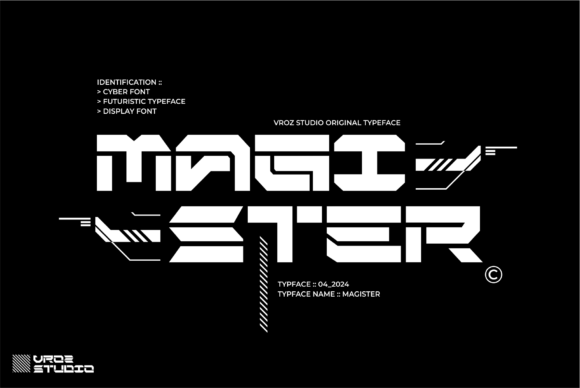
There's a moment in every designer's career when a project demands more than just a clean sans serif or a traditional serif font. You're building a brand for a tech startup, designing a poster for an electronic music festival, or creating packaging for a product that promises innovation. The visual language needs to feel sharp, forward-thinking, and unmistakably modern. This is the exact space where the Magister font operates, drawing its core inspiration from the neon-drenched, high-tech aesthetics of cyberpunk and futuristic technology. It's not just another display typeface; it's a visual shortcut to a world of sleek interfaces and advanced machinery.
At its heart, Magister is built on simple, geometric forms that have been refined to feel technological. The letterforms avoid unnecessary ornamentation, relying instead on clean lines, sharp angles, and a structured rhythm that suggests precision and efficiency. This isn't a font that whispers; it announces. Its personality is bold, confident, and engineered, making it an ideal candidate for any creative project that needs to project an image of cutting-edge sophistication. Whether you're a freelance designer, a small business owner in the tech space, or a content creator building a personal brand, understanding how to leverage a typeface like this can fundamentally change how your audience perceives your work.
More Than Just a Look: Practical Applications for a Futuristic Font
The true value of a premium font like Magister is measured in its versatility across real-world projects. Its futuristic vibe makes it a natural fit for specific industries and creative needs, but its clean construction allows for broader application than you might initially assume. Think beyond the obvious cyberpunk movie poster. Consider how its sharp, tech-inspired shapes can serve a variety of branding and design goals.
For logo design and brand identity, Magister provides an instant association with innovation and forward momentum. A tech consultancy, a software developer, a gaming studio, or even a modern fitness brand could use it to craft a wordmark that feels both authoritative and contemporary. Its high readability at scale ensures it works equally well on a website header, a business card, and the side of a branded hoodie. When used in packaging design, particularly for electronics, gadgets, or any product marketed with a "next-gen" angle, the font helps communicate the product's core promise before a customer even reads the copy.
In the digital realm, its strength is undeniable. Social media graphics and thumbnails are battlegrounds for attention. A bold, distinctive display font like Magister can make a YouTube thumbnail, an Instagram story, or a LinkedIn banner pop against a sea of generic typography. For websites and blogs, it's best used strategically—think hero sections, featured article titles, or navigation menus for a tech blog. Pairing it with a highly legible sans serif or even a clean serif for body text creates a powerful visual hierarchy that guides the reader's eye.
Achieving Visual Harmony: Pairing and Readability
Using a strong display font effectively is a balancing act. The goal is to harness its unique personality without sacrificing clarity or overwhelming your audience. Magister's futuristic aesthetic is its defining feature, so the key is to let it shine in contexts where its character is an asset, not a hindrance.
A crucial step is testing font pairings. Magister's geometric, tech-inspired forms pair beautifully with a wide range of other typefaces. For a clean, professional look, combine it with a neutral, geometric sans serif like Montserrat or Inter for body copy. The contrast between Magister's distinctive headline and the unassuming body text creates a polished, readable layout. If you're aiming for a more editorial or sophisticated feel, try pairing it with a classic, high-contrast serif font like Playfair Display. This unexpected combination can feel both modern and timeless, perfect for a magazine layout or a luxury tech brand.
Readability considerations are paramount. Because Magister is a display font, its strength lies in headlines, titles, and short bursts of impactful text. Avoid using it for long paragraphs or small body copy, where its detailed, futuristic shapes might become difficult to read quickly. Instead, think of it as the visual exclamation point in your design system. Use it for the main title, a key call-to-action button, or a featured product name. Let simpler, more legible typefaces handle the heavy lifting of informational text.
From Screen to Streetwear: Unlocking Creative Potential
The applications for a font with this much visual energy extend far beyond traditional print and digital design. Its aesthetic is perfectly suited for the world of merchandise and apparel. Streetwear brands, in particular, thrive on bold, graphic typography. Magister's futuristic shapes would look striking on a t-shirt, a hoodie, or a cap, instantly giving the item a distinct, modern edge. Similarly, for poster design—whether for a music event, a tech conference, or a film festival—the font commands attention and sets a specific, immersive tone.
For editorial layouts in magazines or lookbooks, using Magister for pull quotes, section headers, or cover lines can inject a dose of contemporary energy into the design. It's a way to break from the expected and create visual interest that keeps readers engaged. Even for digital products like UI kits, presentation templates, or online course materials, incorporating a futuristic display font for key elements can elevate the perceived value and professionalism of the asset.
Before diving into any project, take a moment to review the included font styles. Does the family include variations in weight, like light, regular, and bold? Are there stylistic alternates or ligatures that offer more creative flexibility? Understanding the full toolkit available allows you to make more nuanced design decisions and maintain visual consistency across all your materials. Finally, always pay attention to commercial licensing considerations. Ensure the license covers your intended use, whether it's for a client project, merchandise for sale, or a digital product you plan to distribute. This is a fundamental part of professional practice and protects both you and the font's creator.
In the end, a typeface like Magister is a powerful tool for visual communication. It offers a direct line to a specific aesthetic—one of progress, technology, and bold confidence. By thoughtfully applying it to your branding, marketing, and creative projects, you're not just choosing a font; you're making a strategic decision about how you want your work to be seen and remembered in a visually crowded world.