Nathan: A Typeface That Whispers Luxury and Speaks Volumes
There's a moment in every design project when you realize the typeface you've chosen isn't just carrying words—it's carrying the entire mood of your work. I had that realization last year while working on a boutique hotel's brand identity. We'd tried dozens of fonts, from clean sans serifs to ornate scripts, but nothing felt right until we found Nathan. Suddenly, the typography didn't just complement the design; it became the design's quiet, confident voice. That's the power of a truly elegant display font—it doesn't shout for attention, but it commands it through sheer sophistication.
Understanding Nathan's Visual Character
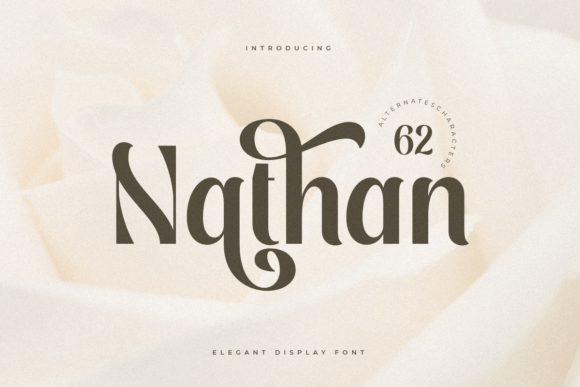
Nathan isn't just another pretty typeface. Its graceful curves and carefully balanced letterforms create a rhythm that feels both classic and contemporary. The serifs are refined without being fussy, the proportions feel harmonious, and there's an inherent elegance in how the letters relate to each other. What makes it particularly versatile is that it manages to feel luxurious without crossing into pretentious territory. It's the typographic equivalent of a well-tailored suit—appropriate for a black-tie event but equally at home in a sophisticated business setting.
For designers who work across different mediums, Nathan's consistency across weights and styles is a genuine advantage. Whether you're setting a headline in bold or using the regular weight for subheadings, the visual personality remains cohesive. This kind of typographic consistency is crucial for building brand recognition—when your audience sees that distinctive Nathan style across your website, packaging, and social media, they begin to associate that visual language with your brand's identity.
Where Nathan Truly Shines: Practical Applications
Let's talk about real-world uses, because a font's value ultimately comes down to how it performs in actual projects. For logo design, Nathan offers that perfect balance between distinctive character and clean readability. I've seen it work beautifully for luxury skincare brands, high-end consulting firms, and boutique wedding planners. The letterforms have enough personality to be memorable but enough restraint to remain professional.
In packaging design, particularly for premium products, Nathan creates an immediate impression of quality. Imagine it on a candle label, a gourmet chocolate box, or a premium tea package—the typography itself becomes part of the product experience. For editorial design, whether you're creating magazine layouts, lookbooks, or annual reports, Nathan brings a refined quality that elevates the entire reading experience without sacrificing readability.
Here's where I've found Nathan particularly effective across different projects:
- Social media graphics for lifestyle brands and influencers who want to maintain a polished aesthetic
- Website headers and hero text for service-based businesses like law firms, architectural studios, or financial advisors
- Wedding invitations and stationery suites where elegance is non-negotiable
- Digital products like ebooks, workbooks, or course materials that need to feel premium
- Marketing assets including brochures, pitch decks, and email headers
Making Typography Work for Your Brand Identity
Choosing the right font style is more than an aesthetic decision—it's a strategic one. Your typography communicates your brand's personality before anyone reads a single word. Nathan works particularly well for brands that want to convey trustworthiness, sophistication, and attention to detail. Think about the last time you visited a law firm's website or received an invitation to a gallery opening—the typography likely played a significant role in your perception of that brand's credibility.
When matching typography to your project goals, consider the context. Nathan might be perfect for your luxury product line but less appropriate for a children's educational platform. This isn't about the font being "good" or "bad"—it's about alignment between visual language and audience expectations. A serif font like Nathan carries different connotations than a handwritten font or a bold sans serif font, and understanding these nuances is what separates good design from great design.
Practical Tips for Working with Display Fonts
Here's something many designers learn the hard way: even the most beautiful display font needs careful handling. Nathan is designed for headlines, titles, and prominent text—not for long paragraphs of body copy. When testing font pairings, consider combining Nathan with a clean, highly readable sans serif for body text. The contrast creates visual hierarchy while maintaining that sophisticated feel throughout your design.
Before committing to any premium font for a commercial project, always check the licensing terms. Nathan typically includes commercial licensing, but the specifics matter—especially if you're creating merchandise, digital products, or materials for multiple clients. Understanding what's included in your license prevents headaches down the road and ensures you're using design assets ethically and legally.
Don't overlook the importance of testing your typography in context. A font that looks stunning on your design screen might behave differently when printed on textured paper or viewed on various mobile devices. Create mockups that simulate real-world conditions—see how Nathan looks on a business card, a website hero section, and an Instagram post before finalizing your design system. This practical testing phase is where good typography becomes great typography.
Beyond Aesthetics: The Business Value of Thoughtful Typography
For small business owners and entrepreneurs, investing in quality typography like Nathan isn't about following design trends—it's about building a professional presence that earns trust. Consistent use of a distinctive typeface across all touchpoints creates a cohesive brand experience that customers remember. When your packaging, website, social media, and print materials all share the same typographic voice, you're not just looking professional—you're building recognition that translates to customer loyalty.
Content creators and marketers understand this intuitively. The right typography can increase engagement, improve readability, and make your message more memorable. Nathan's elegant presence makes it particularly effective for brands targeting discerning audiences who appreciate quality and attention to detail. Whether you're designing a course landing page, creating social media templates, or developing packaging for a new product line, the typography you choose speaks volumes about your brand's values and positioning.
Ultimately, Nathan represents more than just a collection of letterforms—it's a tool for visual communication that balances beauty with functionality. Its timeless quality means it won't feel dated in a year, and its versatility across applications makes it a valuable addition to any designer's toolkit. In a world saturated with visual noise, sometimes the most powerful statement is one made with quiet confidence and impeccable style.