Nothing Creative: A Sweet, Friendly Font for Real-World Design
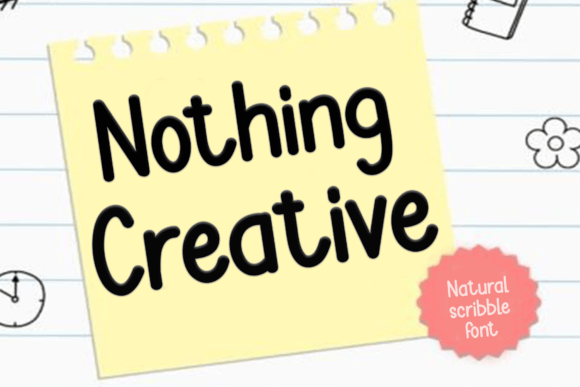
Sometimes, a design project just needs a little warmth. It needs a touch of personality that feels approachable, genuine, and memorable. That’s where a typeface like Nothing Creative steps in. This isn’t a cold, geometric sans serif or a stiff, traditional serif. It’s a sweet and friendly display font with a natural, handcrafted quality that can breathe life into a wide range of creative work. Its unique style makes it incredibly fitting to a large pool of designs, and honestly, the only limit is your imagination. Let’s explore what makes this font special and, more importantly, how you can put it to work in your own projects.
The Personality Behind the Letterforms
At its heart, Nothing Creative is a typeface with character. Its letterforms have a gentle, slightly irregular rhythm that mimics the natural flow of hand lettering. This isn’t a rigid, perfect script; it’s designed to feel human and approachable. The curves are soft, the strokes have a pleasant variation, and the overall impression is one of friendliness and creativity. This makes it a standout choice when you want your typography to feel more like a conversation than a corporate announcement. It’s a creative font that prioritizes personality without sacrificing clarity, striking a balance that’s surprisingly hard to find.
Think about the projects where a cold, technical font would feel out of place. A bakery’s logo, a handmade jewelry shop’s packaging, a blog about family adventures, or an invitation to a casual summer gathering. In these contexts, Nothing Creative doesn’t just fit in—it elevates the entire mood. It helps establish a brand identity that feels authentic and relatable, which is a powerful tool for connecting with an audience on a human level.
From Screen to Shelf: Real-World Applications
The true test of a display font is its versatility. While it’s not meant for body text, Nothing Creative shines in applications where a headline or a key piece of text needs to make an immediate impact with warmth. Here’s where you might find it most effective:
- Branding & Logo Design: For businesses built on personality—think boutique studios, cafes, consultants, or indie authors—this font can become the cornerstone of a memorable logo. It instantly communicates approachability and creativity.
- Packaging Design: On a product label or box, Nothing Creative can help a small-batch product stand out on a crowded shelf. It suggests care, craftsmanship, and a personal touch, which can be a major selling point.
- Social Media Graphics: In the fast-scrolling world of Instagram or Pinterest, a post with a friendly, unique headline can stop a thumb. Use it for quotes, announcements, or story highlights to boost audience engagement.
- Websites & Blogs: While you’ll pair it with a highly readable sans serif or serif font for body copy, Nothing Creative works beautifully for blog post titles, section headers, or a special call-to-action button. It adds visual interest without compromising the site’s overall readability.
- Print Materials & Invitations: From wedding invitations to workshop flyers, its natural style lends itself perfectly to designs meant to feel personal and celebratory.
- Merchandise & Editorial Layouts: Imagine it on a tote bag, a mug, or as a pull-quote in a magazine. It adds that handcrafted, boutique feel that makes physical items feel special.
Essentially, any project where you want to inject a dose of friendly creativity is a candidate. It’s a versatile design asset that can help bridge the gap between a professional presentation and a personal connection.
Putting It to Work: Practical Advice for Best Results
Using a display font effectively is about more than just picking something that looks nice. It’s about strategy. Here are some practical tips for integrating a typeface like Nothing Creative into your workflow:
- Understand Its Role: This is a headline font, a highlight font. Its job is to grab attention and set a tone. Avoid using it for long paragraphs or small, detailed text where readability is paramount. Pair it with a clean, neutral companion—like a simple sans serif—for body copy to create a balanced and professional typographic hierarchy.
- Test for Readability in Context: Always test your chosen font at the size and on the medium it will be used. How does Nothing Creative look as a website header on a mobile phone? Is the text still clear when printed on a textured paper stock? A quick mock-up can save you from a last-minute headache.
- Explore the Included Styles: A good premium font often comes with multiple weights or stylistic alternates. Check what’s included with Nothing Creative. Does it have a bold version for extra emphasis? Any special swashes or ligatures? Understanding your full toolkit allows for more creative flexibility and helps maintain visual consistency across a project.
- Think About Font Pairing: The goal of pairing is contrast and harmony. Nothing Creative’s friendly, organic style pairs well with something more structured. Try it with a geometric sans serif for a modern, clean look, or with a classic serif for a touch of elegance. The key is to let the display font be the star while the supporting font does the heavy lifting.
- Commercial Licensing Matters: Before you use any font in a project for a client, on merchandise for sale, or in a logo that will be trademarked, you must ensure you have the correct commercial license. This is a non-negotiable part of professional practice and protects both you and the font creator.
Making the Connection Between Typography and Audience
Choosing a font is ultimately a choice about communication. The typeface you select sends a message before a single word is read. A stiff, corporate font might say “we are formal and serious.” A trendy, geometric font might say “we are modern and tech-forward.” And a sweet, friendly display font like Nothing Creative? It says, “we are approachable, creative, and here to connect.”
For a small business owner, this isn’t just an aesthetic choice—it’s a branding decision. It helps shape how customers perceive your business’s personality. For a content creator or blogger, it helps establish your unique voice in a sea of sameness. For a designer, it’s another tool in your kit to solve a client’s specific visual communication problem. By matching your typography to your project’s goals and your audience’s expectations, you create a more cohesive and effective brand identity. You’re not just making something look good; you’re making it feel right.
In the end, a typeface is a tool. And a tool like Nothing Creative, with its natural charm and wide appeal, is worth having in your collection. It might be just the thing to give your next project that friendly, memorable touch it’s been missing.