Pink Stone: A Playful Typeface for Creative Branding
There are times when a design calls for something more than standard professionalism. You want to evoke a smile, a sense of nostalgia, or a tactile quality that feels handmade and approachable. If your current typography feels too rigid or sterile for your creative vision, you might be searching for a typeface that bridges the gap between polished design and playful energy. Enter a unique option that turns heads without sacrificing legibility—a font that feels like a friendly invitation rather than a formal demand.
The Visual Appeal of Rounded, Quirky Typography
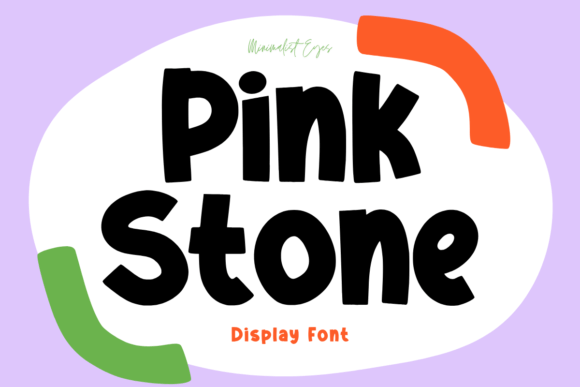
At its core, this typeface is defined by its soft geometry. Unlike sharp, aggressive sans-serifs or stuffy, traditional serifs, it features rounded terminals and slightly irregular shapes. This gives the text a tactile, almost three-dimensional quality, as if the letters were crafted from soft clay or smooth stones. The "quirky" aspect comes from subtle variations in the letterforms; they aren't perfectly uniform, which prevents the design from feeling mechanical. This organic quality makes it an excellent choice for brands that want to appear human-centric, eco-friendly, or artisanal.
When you look at modern typography trends, there is a distinct move away from cold, corporate minimalism toward warmer, more expressive aesthetics. This font fits perfectly into that shift. It doesn't shout; it converses. It is a premium font that feels accessible, making it a versatile tool for a wide range of creative projects where personality is just as important as clarity.
Practical Applications for Designers and Entrepreneurs
Understanding where a font works best is half the battle. Because of its display nature, this typeface shines in situations where it can be used at larger sizes. Think of it as the "headline" personality of your design assets, rather than the workhorse for long-form reading.
Branding and Logo Design
For small business owners, especially those in the lifestyle, food, or children’s sectors, a logo needs to communicate warmth. Using this font for your wordmark or primary logo instantly signals that your brand is approachable. It works exceptionally well for bakeries, boutique clothing lines, organic skincare brands, or creative agencies that want to stand out from the sea of stark, geometric logos. It helps build immediate brand recognition because the letter shapes are so distinctive.
Packaging Design
Packaging is often the first physical touchpoint a customer has with a product. On a shelf crowded with aggressive sans-serifs and stark scripts, this rounded typeface offers a moment of visual relief. It is particularly effective for packaging design where you want to highlight the "natural" or "fun" aspects of a product. Imagine it on a coffee bag, a jar of artisanal jam, or a box of craft supplies—it adds a layer of tactile appeal that invites the customer to pick up the product.
Marketing and Social Media Graphics
In the fast-scrolling world of social media, stopping the thumb is the goal. The unique silhouette of this font creates a distinct visual rhythm that stands out in a feed. It is an ideal choice for Instagram quotes, promotional banners, and story highlights. Because it is a creative font with high personality, it can often stand alone as a graphic element, reducing the need for heavy illustration or complex layouts. It brings a consistent, recognizable voice to your digital marketing assets.
Editorial and Web Design
While it isn't suited for body text, this typeface is a powerhouse for editorial design and web design headers. Use it for blog post titles, pull quotes, or category headers to break up the monotony of standard text. When paired correctly with a clean sans-serif or a simple serif font, it creates a dynamic hierarchy that guides the reader's eye. It adds a "pop" of creativity to otherwise standard layouts, making even a simple newsletter feel curated and intentional.
Strategic Typography: Matching Fonts to Goals
Choosing the right typeface is less about finding the "prettiest" letter and more about finding the right tool for the job. Before integrating a new font into your workflow, consider your project goals.
Visual Consistency: One of the biggest challenges for growing brands is maintaining consistency across platforms. By defining this specific display font as part of your brand identity, you create an anchor. Whether it appears on a website header or a physical invitation, the visual language remains the same, reinforcing your brand's personality.
Audience Engagement: Typography has a psychological impact. Sharp angles can imply efficiency and modernity, while rounded edges—like those found in Pink Stone—imply safety, comfort, and friendliness. If your goal is to lower barriers and make your audience feel welcome, this stylistic choice is a strategic move.
Mastering Font Pairings and Readability
No font is an island. Even the best display fonts need a partner to handle the heavy lifting of body copy. When using a quirky or highly stylized typeface, the rule of contrast is your best friend.
The Balance of Whimsy and Structure: Because this font is round and playful, it pairs beautifully with a structured, geometric sans-serif for body text. Think of fonts like Lato, Open Sans, or Montserrat. These neutral backgrounds allow the display font to be the star without creating visual chaos. Avoid pairing it with other highly decorative fonts, such as complex script fonts or overly ornate serifs, as this will make the layout look cluttered and difficult to read.
Readability Considerations: As with any display font, context matters. While it is highly legible at poster sizes or in short logo lockups, you should avoid using it for long paragraphs or small legal text. The quirks that make it charming at 48pt can become visual noise at 10pt. Always prioritize your user's reading experience; let the display font set the mood, and let a standard typeface deliver the information.
Licensing and Font Styles
Before finalizing a design, it is crucial to review the technical aspects of the asset. A high-quality premium font usually comes with various weights or styles (such as Regular, Bold, or Italic). Check the character map to ensure it supports the specific language you need, as well as any special punctuation required for your marketing copy.
Furthermore, commercial licensing is a non-negotiable consideration for entrepreneurs and designers. Ensure that the license covers your intended use—whether that is for physical merchandise, digital products, or client work. Using a font correctly according to its license protects your business and supports the type designers who create these unique tools.
Ultimately, typography is a silent ambassador for your brand. By choosing a font that embraces whimsy and creativity, you are telling your audience that you value personality and approachability. It’s a small design choice that can make a significant impact on how your work is perceived.