Shinobi: A Display Typeface Where Gothic Drama Meets Samurai Precision
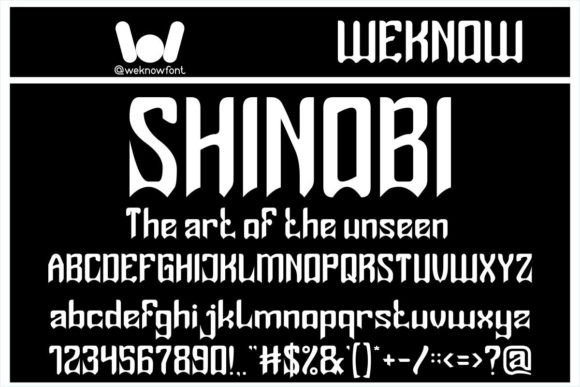
There is a specific challenge in modern design: finding a typeface that commands attention without resorting to chaotic, unreadable distortion. We often search for that perfect middle ground where elegance meets edge. If you have been scrolling through endless libraries of sans-serifs and scripts looking for something that feels both ancient and futuristic, you might find your answer in the Shinobi font. It is not just a collection of letters; it is a visual statement that bridges the gap between Western Gothic architecture and the disciplined aesthetic of the Samurai.
For designers, brand strategists, and content creators, typography is the voice of the visual medium. While a clean sans-serif whispers professionalism and a script font hums with personality, a display font like Shinobi speaks with authority. It is uniquely versatile, offering a bold presence that works surprisingly well across a variety of industries. Whether you are developing a corporate identity, designing a movie poster, or looking for a way to make your YouTube thumbnails pop, understanding how to wield this tool can transform your creative output.
Bridging Two Worlds: The Aesthetic Appeal
What makes Shinobi visually distinct is its ability to harmonize two very different design languages. It carries the weight and structural integrity of a traditional serif or Gothic face, characterized by strong verticals and heavy strokes. However, it infuses this Western foundation with the spirit of the East. There is a subtle nod to traditional Japanese calligraphy in its angles and flourishes, giving it a "Samurai-inspired flair."
This duality is its greatest strength. It avoids the clichés of "grunge" or "futuristic" fonts that can quickly look dated. Instead, Shinobi feels timeless. It is bold and striking, making it an ideal candidate for logotype design where you need the brand name to be recognizable at a glance. Imagine a tech startup, a high-end fashion label, or a gaming studio using this typeface. It immediately suggests that the brand is disciplined, creative, and distinctively diverse.
Practical Applications: Beyond the Headline
While many display fonts are relegated strictly to the main title of a poster, Shinobi’s balanced construction allows for more creative applications. It is a premium font that offers real value because of its adaptability. Here is how you can apply it to real-world projects to enhance visual narratives:
- Editorial and Print Design: In the world of magazine layouts and book covers, typography sets the mood before a single word of the body copy is read. Shinobi is perfect for chapter headings in fantasy novels, manga covers, or editorial spreads about modern architecture. It adds a layer of sophistication that standard serif fonts often lack.
- Digital Media and Entertainment: The entertainment industry thrives on atmosphere. If you are creating assets for a video game, a movie title card, or a music album cover, this font brings a "fresh vibe." It captures the eye immediately in the fast-scrolling environments of social media, making it an excellent choice for Instagram graphics or YouTube channel art.
- Branding and Corporate Identity: For businesses that want to project confidence and uniqueness, Shinobi offers a way to stand out. It works beautifully for business cards, letterheads, and signage. It suggests that the company values tradition but is looking toward the future—a powerful psychological message in brand identity.
- Packaging and Merchandise: Think about packaging design for artisanal goods, craft beer, or streetwear. Shinobi provides the necessary "shelf appeal." Its bold strokes ensure the product name is legible even from a distance, while its artistic flair suggests a high-quality, handcrafted product.
Strategic Typography: Improving Visual Communication
Choosing a font is not merely about aesthetics; it is about communication strategy. Using a typeface like Shinobi can significantly improve how your audience perceives your content. First, it aids in brand recognition. Because the font has such a strong personality, it creates a distinct memory hook. When a customer sees that specific "S" or "K" style repeated across your marketing assets, they begin to associate that visual rhythm with your brand.
Second, it enhances professional presentation. Amateurs often rely on default system fonts or overused freebies. Professionals curate their design assets. By selecting a high-quality, versatile display font, you signal to your audience that you care about the details. It elevates a simple blog header or a business proposal into a polished piece of communication.
However, it is crucial to address readability. Because Shinobi is a display font with intricate details, it is not intended for long blocks of body text. Its purpose is to attract the eye. You should pair it with a highly legible sans-serif font or a clean serif font for your paragraphs. For example, a classic pairing might be using Shinobi for your H1 and H2 headers, paired with a font like Roboto, Lato, or Garamond for the body copy. This contrast creates a visual hierarchy that guides the reader naturally through the content.
Tips for Integrating Shinobi into Your Workflow
If you are ready to experiment with this typeface, here are some practical tips to ensure you get the most out of it:
- Test Your Pairings: Before finalizing a design, test Shinobi against different background colors and alongside various body fonts. Because of its Gothic weight, it pairs exceptionally well with light, airy sans-serifs. This contrast prevents the design from feeling too heavy or cluttered.
- Consider the Context: While the font is versatile, context matters. It fits perfectly for a martial arts dojo logo, but it might feel out of place for a daycare center. Ensure the "personality" of the font matches the personality of the project.
- Review the Styles: A good premium font family often includes variations. Check if the Shinobi package includes different weights or stylistic alternates. Using a slightly lighter weight for sub-headers can create a cohesive look without overwhelming the viewer.
- Licensing Check: If you are using this for commercial projects—such as client work, merchandise for sale, or paid digital products—always ensure you have the correct commercial license. This protects you legally and supports the type designers who create these tools.
Ultimately, the goal of design is to solve problems and tell stories. Shinobi is a tool that allows you to tell a story of strength, elegance, and cultural fusion. It invites you to unlock your creativity, whether you are laying out a comic strip, designing a wedding invitation, or branding a new tech startup. By integrating this unique typeface into your toolkit, you add a dimension of visual storytelling that is both sophisticated and undeniably striking.