Arwana: A Futuristic Typeface for Bold Branding
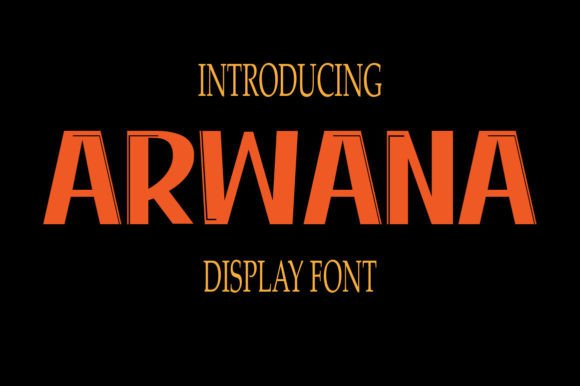
You know that moment when you're scrolling through a feed and something stops you cold? It's not the photograph or the illustration—it's the typography. A font with sharp, geometric corners and clean lines that feels simultaneously modern and timeless. That's the kind of visual punch that Arwana brings to the table. Created with a futuristic edge and built on a foundation of precise geometry, this display font is engineered for projects that need to command attention without shouting. Whether you're designing a logo for a tech startup, laying out a fashion magazine spread, or crafting social media graphics that actually convert, understanding how to leverage a typeface like Arwana can fundamentally change how your audience perceives your work.
Why Geometric Precision Matters in Modern Design
In a landscape saturated with rounded, friendly sans serifs and overly decorative scripts, a font built on geometric principles offers something rare: clarity with character. The corners of each letterform in Arwana aren't just sharp—they're intentional. They create a sense of structure and forward momentum, which is exactly why this typeface works so well for brands positioning themselves as innovative or cutting-edge.
Think about the brands you associate with technology, architecture, or high-end fashion. Many of them rely on clean, geometric typography to communicate precision and sophistication. Arwana taps into that same visual language but adds enough personality to avoid feeling sterile. The letter spacing is deliberate, the weight distribution is balanced, and the overall rhythm of the typeface creates a sense of cohesion that's hard to achieve with more generic options.
For designers working on brand identity projects, this matters more than most people realize. A font isn't just a vehicle for words—it's a visual shorthand for everything your brand represents. When someone sees your logo, your packaging, or your website header, the typography is doing heavy lifting in shaping their first impression. Choosing a premium font like Arwana signals that you've paid attention to the details, and that attention often translates into trust.
Practical Applications Across Industries
One of the strongest arguments for investing in a versatile display font is the sheer range of projects it can serve. Let's break down where Arwana genuinely shines, not as a theoretical exercise, but based on how real designers and business owners actually use typefaces in their daily work.
Logo design and branding sit at the top of the list. The geometric structure of Arwana gives logos a sense of stability and modernity. It works particularly well for brands in fashion, technology, automotive, and lifestyle spaces where a clean, authoritative presence is non-negotiable. Because the letterforms are distinctive without being overly stylized, logos set in this typeface tend to scale well—from business cards to billboards.
Packaging design is another area where this font earns its place. On shelf, you have maybe two seconds to communicate what a product is and who it's for. Arwana's bold geometry makes product names and headlines pop, especially when paired with a more neutral sans serif font for body copy. Think about premium skincare brands, specialty coffee packaging, or minimalist home goods—the aesthetic alignment is natural.
For editorial design and magazine layouts, Arwana works beautifully for pull quotes, section headers, and feature titles. The futuristic edge gives editorial spreads a contemporary feel without sacrificing legibility. Fashion magazines, architecture publications, and design annuals all benefit from typography that feels current but not trendy.
Web design and digital products are equally well served. Website hero sections, landing page headlines, and app interfaces all need typefaces that render cleanly at various screen sizes. Arwana's geometric construction translates well to digital environments, maintaining its sharpness whether displayed on a 27-inch monitor or a mobile screen.
Pairing Arwana with Other Typefaces
No font exists in isolation. The real magic happens in how you combine typefaces, and this is where many designers—especially those early in their careers—struggle. Arwana's strong personality means it pairs best with typefaces that complement rather than compete.
A classic approach is to combine it with a clean sans serif font for body text. Think along the lines of a neutral grotesque or a humanist sans—something with enough openness to maintain readability in longer passages while letting Arwana dominate the headlines. This creates a clear visual hierarchy: bold, geometric headers that draw the eye, supported by clean, readable body copy that delivers the message.
For projects with a softer or more editorial feel, pairing Arwana with a script font or handwritten font can create an interesting contrast. Imagine a wedding invitation where the couple's names are set in a flowing script, but the date and venue information uses Arwana for a modern, structured counterpoint. The tension between organic and geometric creates visual interest.
When working on brand identity systems, consistency across font pairings is critical. Establish a pairing early, test it across multiple applications—from social media graphics to print collateral—and make sure the combination holds up at every scale. A pairing that looks stunning on a poster might feel cramped on a business card, so always test in context.
Improving Your Visual Communication
Typography is one of the most undervalued tools in a marketer's or entrepreneur's toolkit. The right typeface doesn't just make things look good—it improves comprehension, reinforces messaging, and builds the kind of visual consistency that turns casual viewers into loyal audiences.
Consider readability first. Display fonts like Arwana are designed for impact at larger sizes, so they're ideal for headlines, titles, and short-form text. They're not meant for paragraphs of body copy, and using them that way would undermine their strengths. Understanding this distinction—between display and text typefaces—is fundamental to professional-looking design.
Next, think about brand recognition. When you use the same typeface consistently across your website, your social media, your packaging, and your advertising, you create a visual thread that ties everything together. Over time, your audience begins to associate that typography with your brand, even before they read a single word. That's the power of consistent modern typography in action.
For commercial use, always review licensing terms carefully. Most premium fonts come with clear licensing structures—personal, commercial, extended—that dictate how you can use the typeface across different projects and media. If you're a freelancer designing for clients, or a business owner creating assets for your own brand, understanding these terms protects you legally and ensures you're using the font as intended.
Making the Most of a Display Typeface
Arwana's strength lies in its ability to make a statement. It's not a wallflower font—it's the one you reach for when a project needs to feel confident, forward-thinking, and visually sharp. Use it for poster design where the headline needs to be readable from across a room. Use it for advertisements where you have three seconds to capture someone's attention. Use it for blog headers and quote graphics on Instagram where standing out in a crowded feed is the entire game.
The key is restraint. A font with this much character doesn't need help from excessive effects, gradients, or over-styling. Let the geometry speak for itself. Set it in a strong color against a clean background, give it breathing room with thoughtful spacing, and trust that good design doesn't need to be complicated.
For creative entrepreneurs and small business owners who aren't professional designers, investing in a quality creative font like Arwana is one of the simplest upgrades you can make to your visual presence. It bridges the gap between amateur and professional in a way that stock templates and free fonts rarely achieve. The difference is visible, and your audience—whether they can articulate it or not—notices.
Typography is ultimately about communication. Every font choice you make either supports your message or distracts from it. Arwana, with its futuristic edge and geometric precision, is a tool designed for projects that need to communicate innovation, clarity, and confidence. Used thoughtfully, it becomes more than a design asset—it becomes part of your brand's voice.