Happy Lemon: The Playful Font That Makes Designs Smile
Imagine a font that feels like a sunny afternoon, a burst of laughter, or the bright peel of a citrus fruit. That’s the essence of Happy Lemon, a display typeface designed to inject pure, unadulterated joy into your creative projects. It’s not just another cute font; it’s a visual personality, one that speaks directly to audiences craving authenticity and a touch of whimsy. Whether you’re crafting a brand for a children’s boutique, designing a vibrant social media campaign, or creating packaging that jumps off the shelf, this font offers a unique blend of charm and clarity that’s hard to ignore.
A Typeface with a Genuine Smile
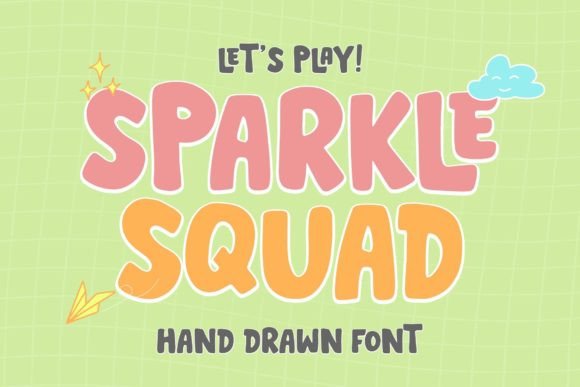
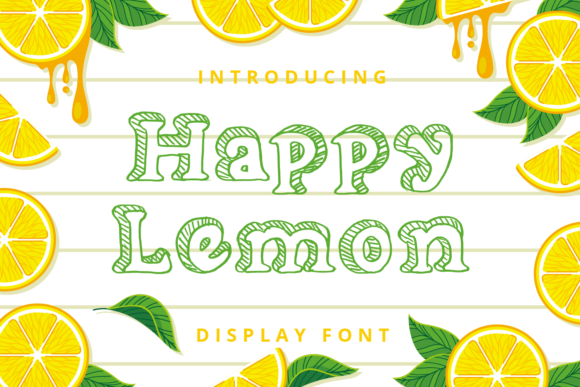
At its core, Happy Lemon is a cartoon-like display font. Its letterforms are soft, rounded, and slightly irregular, mimicking the playful imperfections of hand-drawn characters. This isn't the sterile geometry of a modern sans serif font or the formal strokes of a classic serif font. Instead, it occupies a delightful space in between, offering the approachability of a handwritten font with the legibility needed for headlines and short copy. The visual weight is balanced, ensuring it stands out without overwhelming other design elements. Its personality is upfront—it’s friendly, approachable, and inherently optimistic.
This makes it a powerful tool for specific design goals. For instance, if you’re developing a brand identity for a family-friendly cafe, a kids' clothing line, or a creative workshop, Happy Lemon can become the cornerstone of your visual language. It immediately signals a tone that is welcoming, fun, and trustworthy. Pair it with a clean, simple sans serif for body text, and you’ve got a cohesive and engaging typographic system that works across logos, menus, and signage.
Where This Creative Font Truly Shines
Understanding a font’s strengths helps you deploy it effectively. Happy Lemon excels in projects where emotional connection and visual appeal are paramount. Think beyond just making something look "cute." Consider how its character can enhance communication and brand recognition.
- Logo Design & Branding: The font is ideal for creating memorable wordmarks or pairing with illustrated mascots for children’s brands, toy stores, bakeries, or pet shops. It builds instant recognition through its distinctive, joyful character.
- Packaging Design: On product labels, boxes, or tags, especially for snacks, beverages, or children’s products, it grabs attention and conveys a sense of fun and quality. Imagine it on a lemonade bottle or a box of colorful cookies.
- Social Media Graphics: In the fast-scrolling world of Instagram or Pinterest, a header or quote set in this typeface can stop thumbs. It’s perfect for announcements, story highlights, and creating a consistent, upbeat aesthetic for your feed.
- Digital Products & Marketing Assets: Use it for the titles of e-books, printable planners for kids, or email newsletter headers to make your digital offerings feel more personal and engaging.
- Print Materials & Invitations: From birthday party invitations to event posters for a community fair, it adds a layer of excitement and approachability that formal fonts often lack.
- Merchandise & Editorial Layouts: Applying it to t-shirts, tote bags, or the chapter headings in a children’s activity book can unify the product’s theme and enhance its appeal to the target audience.
Practical Tips for Using a Display Typeface
Choosing a font like Happy Lemon is the first step. Using it well is what separates good design from great design. Here’s how to get the most out of it without compromising professionalism or readability.
Context is Everything. Reserve this typeface for headlines, logos, and short, impactful text blocks. Its playful nature means it’s not suited for long paragraphs of body copy, where readability over extended periods is critical. That job is better left to a neutral serif or sans serif font. Think of Happy Lemon as the headline act and a more subdued typeface as the supporting band.
Master the Font Pairing. The right combination can elevate your project. For a balanced look, pair it with a geometric sans serif like Poppins or Montserrat. The clean lines of these fonts provide a stable foundation that lets Happy Lemon’s personality pop without creating visual chaos. For a slightly softer, more organic feel, try pairing it with a humanist sans serif. Always test your pairings at the actual size they’ll be used to ensure harmony.
Readability Considerations. Always prioritize clarity. Test the font in its intended environment—on a mobile screen, a printed label, or a poster. Ensure the spacing (tracking and leading) is adjusted so letters don’t crowd each other, especially at smaller sizes. The goal is to be charming, not cryptic.
Explore the Included Styles. A quality premium font often comes with more than one weight or style. Check if Happy Lemon includes variations like bold, light, or even alternative characters. These extras can provide valuable flexibility for creating hierarchy and visual interest within your designs.
Understand the License. Before using any commercial font in a client project or for merchandise you sell, review the licensing terms. Ensure the license covers your intended use—whether it’s for a single client, unlimited projects, or specific print runs. This is a crucial step in professional practice that protects both you and your client.
Building a Cohesive Visual Story
Ultimately, typography is a key storyteller for your brand or project. A typeface like Happy Lemon doesn’t just spell out words; it communicates a feeling. When used intentionally and in the right context, it can significantly improve visual consistency across all your touchpoints. This consistency, in turn, strengthens brand recognition. Your audience will start to associate that joyful, authentic feeling with your business or creative work.
It also contributes to a professional presentation. A well-chosen, high-quality font demonstrates attention to detail. It shows you’ve considered every aspect of how your project communicates, from the message itself to the visual form it takes. This thoughtful approach naturally boosts audience engagement. People are drawn to designs that feel cohesive, intentional, and emotionally resonant.
So, as you explore design assets for your next project—whether it’s a full brand identity, a set of social media templates, or a line of merchandise—consider the role typography plays in shaping perception. A font like Happy Lemon offers a specific tool for a specific job: to create designs that feel alive, approachable, and genuinely happy. It’s about choosing the right voice for your visual conversation, one that leaves a lasting, positive impression.