Memories: A Playful Font for Cheerful Designs
There's a certain magic in designs that feel instantly approachable, friendly, and full of life. Whether it's a children's book cover, a birthday party invitation, or the branding for a new toy line, the visual tone needs to match the subject's inherent joy. Getting that balance right often comes down to a single, powerful element: typography. The right typeface doesn't just present words; it conveys emotion, sets a scene, and creates an immediate connection with the viewer. This is where a character-rich display font becomes an invaluable tool in a designer's or creator's arsenal.
More Than Just Letters: The Personality of a Display Typeface
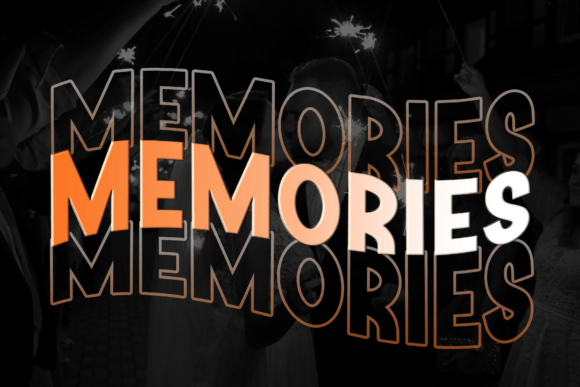
Unlike the workhorse serif or sans serif fonts chosen for body text, a display font is designed for impact. Its primary job is to grab attention in headlines, logos, and short bursts of text. The Memories typeface is a perfect example of this category. Its design leans into a fun, quirky aesthetic with rounded forms and a slightly uneven baseline that suggests handcrafted charm. This isn't a cold, geometric modern typeface; it's one with personality. The visual appeal lies in its ability to evoke nostalgia and happiness. When you use Memories, you're not just spelling out a word—you're infusing it with a sense of playfulness that resonates immediately with a cheerful topic.
Unlocking Creative Potential with PUA Encoding
A significant practical advantage of this particular premium font is its PUA (Private Use Area) encoding. For those who aren't deep in the technical weeds of typography, this simply means the font file contains a wealth of extra characters—alternate letters, stylistic sets, and unique ligatures—that are easily accessible. You don't need advanced design software to use them. With a simple copy-paste from a character map, you can swap in a swashy capital letter or a decorative ligature that adds a custom, artisanal feel to your text. This feature dramatically expands the creative possibilities, allowing for more varied and unique typographic treatments without needing to purchase multiple font families.
Practical Applications for Vibrant Projects
So, where does a creative font like this truly shine? Its cheerful disposition makes it a natural fit for a wide array of projects, both digital and physical. Think about the packaging for organic children's snacks—the Memories typeface on the front panel can communicate fun and safety in a single glance. For a small business owner creating merchandise like t-shirts or tote bags, this font can turn a simple phrase into a desirable graphic element. Its legibility at larger sizes makes it ideal for poster design for school events, community fairs, or children's theater productions.
In the digital realm, its applications are just as broad. A blogger focusing on parenting, crafts, or family activities can use it for post titles and section headers to create a consistent, welcoming aesthetic. Social media graphics for platforms like Instagram or Pinterest become more engaging when the text itself is visually interesting. It’s also a smart choice for logo design for businesses in the kids' education, entertainment, or party planning sectors. The font's inherent energy helps build a brand identity that is memorable and approachable from the very first touchpoint.
Ensuring Your Designs Remain Effective
While a display font is fantastic for headlines, readability is paramount. The general rule of thumb is to use Memories for its intended purpose: short, impactful text. For longer paragraphs or detailed information, pair it with a clean, highly readable sans serif font or a classic serif font. This contrast not only ensures your message is easily digested but also creates a professional visual hierarchy. For example, a wedding invitation might use Memories for the couple's names and a simple sans serif for the event details. This font pairing strategy maintains the playful spirit while upholding clarity and elegance.
Before finalizing any design, always test your typography in context. View it at the size it will be displayed, whether on a mobile screen or a printed banner. Check how the colors interact with the background and ensure the letterforms don't blend together. Reviewing the full set of included font styles—often a regular, bold, or italic version—can also provide helpful flexibility for emphasizing different words within a layout.
Aligning Typography with Project Goals
Choosing a typeface is a strategic decision. Ask yourself: what is the core emotion or message of this project? If the goal is to convey whimsy, creativity, and youthful energy, a font like Memories is a strong candidate. For a more serious or luxurious brand identity, you might explore elegant script fonts or sophisticated modern serifs. The key is alignment. The typography should feel like a natural extension of the content, not an afterthought.
For entrepreneurs and creators, investing in a commercial font like this one is an investment in your brand's visual toolkit. It provides a consistent asset that can be used across your marketing assets, from your website headers to your email newsletters, reinforcing brand recognition with every use. It elevates a DIY project to a professional presentation, showing your audience that you care about the details.
Ultimately, the tools we choose shape the stories we tell. A thoughtfully selected typeface does more than organize information; it sets a mood, builds a world, and invites the audience in. For projects that aim to spark joy and celebrate the lighter side of life, having a font that embodies that spirit is not just helpful—it's essential.