Retro Poster: The Brush Font That Brings Vintage Charm to Modern Design
There's something magnetic about typography that feels hand-drawn. It carries personality, warmth, and an authenticity that crisp digital fonts sometimes miss. If you've been searching for a typeface that bridges the gap between nostalgic appeal and contemporary design needs, Retro Poster deserves a closer look. This playful brush display font has a knack for making projects feel instantly more engaging—and it's far more versatile than you might expect at first glance.
What Makes This Typeface Stand Out
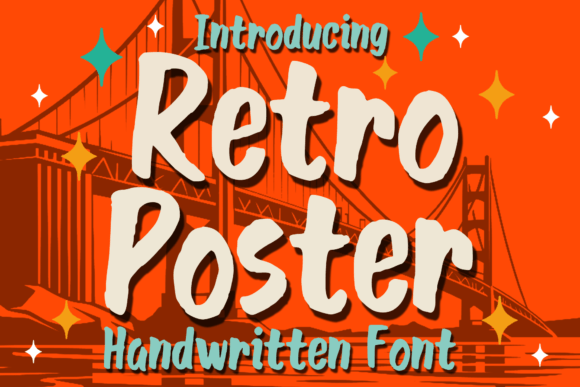
Retro Poster isn't just another decorative font sitting in your downloads folder collecting digital dust. It's a brush display typeface with deliberate character. The letterforms have that hand-painted quality—slightly imperfect strokes, natural weight variation, and a rhythm that feels organic rather than manufactured. Think vintage movie posters, old-school carnival signage, or mid-century advertising. That's the energy this font channels.
But here's where it gets interesting. Despite its retro roots, the design feels fresh. The strokes are confident without being aggressive. The proportions stay readable even at smaller sizes, which is a common pitfall with many brush fonts. You get personality without sacrificing function—and that balance is harder to achieve than most people realize.
The visual texture of the letterforms adds depth to any layout. Where a standard sans serif font might feel flat or sterile on a design, this typeface introduces movement and energy. It draws the eye naturally, which makes it particularly effective for headlines, logos, and any text that needs to command attention quickly.
Where This Font Truly Shines
Let's talk about real applications, because a font is only as valuable as what you can actually do with it.
Brand Identity and Logo Design
For small businesses, food trucks, craft breweries, barbershops, or boutique shops, a logo needs to communicate personality in a split second. Retro Poster works beautifully for brands that want to feel approachable, creative, or rooted in tradition. The brush texture gives logos an artisanal quality that suggests craftsmanship and care. Pair it with a clean sans serif for body copy, and you've got a brand system that feels cohesive and memorable.
Packaging and Product Design
Shelf presence matters. Whether you're designing labels for homemade jam, packaging for a candle line, or boxes for artisanal chocolate, the right typography can make a product feel premium. This typeface brings that handmade aesthetic without looking amateurish. It signals quality and personality—exactly what small brands need to compete against bigger players on crowded shelves.
Social Media Graphics
Scroll-stopping power is real. On platforms where thousands of posts compete for attention, a bold brush font can make your quotes, announcements, and promotional graphics pop. Retro Poster works especially well for Instagram stories, Pinterest pins, and Facebook headers where you need text to be legible even on small screens. The distinctive letterforms mean your content looks recognizable across posts, which helps build visual consistency over time.
Posters and Print Materials
This is where the font's name says it all. Event posters, flyers, concert announcements, sale signage—anything meant to grab attention from a distance benefits from a strong display typeface. The brush strokes have enough visual weight to hold up at large sizes while maintaining their character. For print materials like business cards, brochures, or menu designs, using Retro Poster for headlines paired with a more neutral serif font or sans serif for body text creates a natural hierarchy that guides the reader's eye.
Merchandise and Apparel
T-shirt designs, tote bags, mugs, stickers—the merchandise space thrives on bold, expressive typography. A font like this one practically begs to be printed on cotton. Its playful energy works for band merch, motivational apparel, funny slogans, and custom gifts. The hand-painted aesthetic translates particularly well to screen printing and DTG printing, where texture and character come through beautifully.
Digital Products and Marketing
Ebook covers, course thumbnails, email headers, landing page hero sections—the digital space is full of opportunities to use expressive typography strategically. If you're selling a digital product, the cover or promotional graphic is often the first thing potential customers see. A creative font choice signals that the content inside is worth their time and money.
Making It Work: Practical Typography Advice
Knowing a font exists is one thing. Knowing how to use it well is another. Here are some grounded recommendations for getting the most out of Retro Poster in your projects.
Respect the Hierarchy
Display fonts like this one are designed for impact. Use them for headlines, titles, and short bursts of text that need to grab attention. Avoid setting entire paragraphs in a brush display font—readability drops fast when decorative typefaces are used at length. Instead, combine it with a clean, highly legible typeface for body copy. A simple sans serif or a classic serif font creates an effective contrast that lets the display typeface do its job without overwhelming the reader.
Test Your Font Pairings
Before committing to a combination, mock up a few versions. Place Retro Poster alongside different body fonts and see how they interact. Sometimes a geometric sans serif creates the right balance. Other times, a humanist serif adds warmth that complements the brush texture. There's no single correct answer—what matters is how the fonts feel together in context. Print a test page or view it at actual size on screen. What looks fine in a design tool might feel off in the real world.
Consider Your Audience
A playful brush font isn't right for every project. A law firm's annual report probably isn't the place. But a neighborhood coffee shop's seasonal menu? A children's book cover? A fitness brand's motivational poster? Absolutely. Think about who will see your design and what impression you want to create. Typography is one of the fastest ways to set emotional tone, so match your font choice to the feeling you're after.
Check the Character Set
Before starting any project, explore the full character map of the font. Many premium fonts include alternate characters, ligatures, multilingual support, and stylistic variations. Knowing what's available lets you fine-tune your designs and avoid surprises when a client asks for a character or symbol you haven't tested.
Licensing Matters
If you're using this font for commercial work—client projects, products for sale, business branding—make sure you understand the licensing terms. Most premium fonts come with clear commercial licenses, but the specifics vary. Some licenses cover a certain number of users or projects. Others are more flexible. It's worth reading the fine print before you invest hours in a design built around a typeface you might need to replace later.
Beyond the Font: Building a Visual System
A single typeface doesn't make a design system, but it can anchor one. When you find a font that captures the right energy for your brand or project, build around it intentionally. Establish rules for when and where you'll use it. Decide on complementary fonts for different text levels. Choose a color palette that enhances the font's character rather than fighting it.
For instance, Retro Poster's warm, handcrafted feel pairs naturally with earthy tones, muted pastels, or bold primary colors depending on the mood you're after. On a website, you might use it for section headers while a neutral web font handles navigation and body text. On packaging, it could be the star of the front label while a clean typeface handles ingredient lists and legal copy on the back.
The goal is visual consistency. When someone sees your Instagram post, your business card, and your website, they should feel like everything belongs to the same family. A distinctive display font like this one becomes a recognizable signature—part of how people remember and identify your brand over time.
Typography choices might seem small in the grand scheme of a project, but they ripple outward. The right font makes designs feel intentional, professional, and alive. Retro Poster brings that handcrafted energy to the table in a way that's both expressive and practical—and that combination is exactly what makes it worth exploring for your next creative project.