Sweet Groovy: A Retro Font for Modern Branding
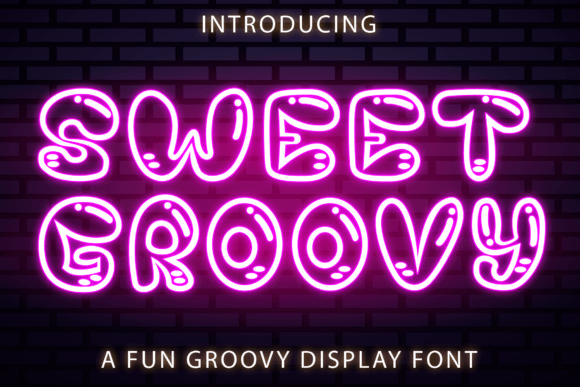
There’s a particular feeling you get when you find a typeface that just clicks. It’s not about chasing every new trend or finding the most complex design. Sometimes, the most powerful choice is a font with personality and warmth that can instantly connect with an audience. That’s the charm of Sweet Groovy, a retro display font that blends playful curves with a clean, stylish monoline aesthetic. It’s a design asset that feels both nostalgic and refreshingly modern, making it a surprisingly versatile tool for creators who want to add a touch of personality to their work.
More Than Just a Nod to the Past
At first glance, Sweet Groovy Monoline might remind you of lettering from vintage postcards or classic signage. Its rounded forms and consistent line weight give it a friendly, approachable vibe. But calling it simply "retro" misses the point. This is a display font built for contemporary projects. The letters are carefully crafted to maintain excellent readability even at smaller sizes, a crucial feature that many decorative fonts overlook. The playful loops and smooth connections feel romantic and exquisite, but they don’t sacrifice function for form. This balance is what makes it a premium font choice for designers who need style without compromise.
Think about the last time a brand’s visual identity made you feel something. Often, it’s the typography that sets the initial tone. A serif font might convey tradition and authority, while a stark sans serif font feels modern and clean. Sweet Groovy occupies a unique space. It communicates creativity, warmth, and a sense of fun. For a small business selling handmade candles, an indie coffee shop, or a boutique clothing brand, this typeface can become the cornerstone of a brand identity that feels genuine and memorable.
From Packaging to Pixels: Real-World Applications
The true test of any creative font is how it performs across different mediums. A typeface that looks stunning on a poster might fall flat on a website. Sweet Groovy’s strength lies in its adaptability. Its clear, monoline structure ensures it renders beautifully in both digital and print environments.
For packaging design, imagine a coffee bag or a jar of artisan jam. The font can headline the product name with inviting character, making the product stand out on a crowded shelf. Paired with a simple sans serif font for the descriptive text, it creates a perfect hierarchy that’s both eye-catching and easy to read. This kind of thoughtful font pairing is key to professional editorial design and logo design.
In the digital realm, it’s a powerhouse for social media graphics. A bold header using Sweet Groovy can stop the scroll, adding personality to Instagram stories, Pinterest pins, or Facebook ads. It’s equally effective for web design, used in hero sections, pull quotes, or button text to inject energy into a layout. Bloggers and content creators can use it to create standout featured images that align with their site’s aesthetic, improving visual consistency across platforms.
Don’t overlook print materials. For invitations, wedding suites, or event posters, the font delivers a romantic and exquisite feel that sets the mood instantly. It’s perfect for headlines on flyers, menus, or any marketing assets where you need to grab attention and convey a specific vibe. Even for merchandise like t-shirts or tote bags, its clear lines make it a viable option for impactful slogans or brand names.
Practical Tips for Using a Display Font Effectively
Choosing a groovy font like Sweet Groovy is the first step. Using it effectively is the next. Here are a few practical considerations to ensure it elevates your project rather than complicates it.
1. Let It Be the Star: Display fonts are designed for impact. They work best in headlines, logos, and short bursts of text. Avoid setting entire paragraphs in Sweet Groovy. Instead, pair it with a highly legible body font. A clean sans serif like Montserrat or a classic serif like Lora often creates a beautiful, balanced contrast.
2. Context is Everything: Match the font’s personality to your project’s goals. Sweet Groovy is ideal for brands and projects that want to feel approachable, creative, and slightly nostalgic. It might not be the best fit for a corporate law firm’s annual report, but it could be perfect for the firm’s internal team-building event posters.
3. Test for Readability: Always test your text at the actual size it will be viewed. Check that the playful letterforms don’t merge or become unclear, especially in digital contexts where screen resolution varies. The monoline design of this creative font helps, but a quick test on different devices is a professional best practice.
4. Explore the Full Package: A quality typeface often comes with more than just basic letters. Check if the font includes alternate characters, ligatures, or multilingual support. These extras can add subtle customization and flair to your designs, making your work feel more bespoke.
5. Understand the License: If you’re using the font for commercial work—for a client, for merchandise you sell, or for business marketing—ensure you have the correct commercial font license. This protects you legally and ensures you’re supporting the designers who create these valuable design assets.
A Font That Connects and Communicates
Ultimately, typography is about communication. The fonts we choose send a message before a single word is read. Sweet Groovy Monoline offers a way to communicate creativity, warmth, and style. It’s not just about making something look pretty; it’s about making a connection. By integrating it thoughtfully into your brand identity, logo design, or digital products, you’re not just selecting a font—you’re choosing a voice that can help your project resonate with its intended audience, build recognition, and present a polished, professional image. It’s a versatile tool that, when used with intention, can become a valuable part of any creative’s toolkit.